Why Cardio After 50 Doesn't Have to Hurt Your Joints
Cardio has a reputation problem after 50. Somewhere between the aching knees, the achy hips, and the memory of a jarring run that left you sore for a week, a lot of people quietly decide that cardio and joint pain are simply a package deal. So they scale back. They walk less. They avoid the stairs when they can. And the heart, lungs, and metabolism that depend on regular movement start to lose ground too.
As a physical therapist, this is one of the more frustrating patterns I see, because it is built on a misunderstanding. Cardio itself is not the problem. The surface, the impact, and the lack of control over pace and incline usually are. Fix those variables, and walking becomes one of the most joint-friendly things you can do for your long-term health.
Why Cardio Still Matters After 50
Regular aerobic activity supports heart health, healthy blood pressure, blood sugar regulation, sleep quality, mood, and cognitive function. It also plays a direct role in the muscle and balance work that keeps you independent. None of that changes after 50. If anything, it becomes more important, since cardiovascular fitness tends to decline gradually with age unless it is actively maintained.
The challenge is not whether to do cardio. It is how to do it in a way your joints can tolerate consistently, week after week, without a flare-up derailing your progress every time you make headway.
The Real Culprit Is Rarely "Cardio" Itself
When a joint hurts after a cardio session, it is easy to blame the activity in general. In my experience, the actual cause is usually one of three things: an uneven or unpredictable surface, a sudden increase in impact or speed, or a pace that is faster than the joint is currently prepared to handle.
A sidewalk with cracks, camber, and curbs asks your ankles and knees to make constant small adjustments you are not consciously aware of. A treadmill removes that variable entirely. The surface is flat, predictable, and consistent from the first step to the last.
Sudden increases in impact or speed are the other common trigger. Many people either do too little for too long, then suddenly push hard on a good day, or they compare their pace to what felt normal ten or twenty years ago. Joints adapt to gradual increases in demand. They do not respond well to sudden ones.
Walking Is Still One of the Best Cardio Options You Have
Walking remains one of the most joint-friendly forms of cardiovascular exercise available, and it does not require impressive speed to be effective. What it requires is consistency and the right conditions.
The right conditions include a level, predictable surface, a pace you can sustain while still being able to speak in full sentences, and the ability to control incline and speed precisely rather than guessing based on terrain or weather. This is exactly where a home treadmill earns its place.
Why a Treadmill Solves the Problems That Actually Cause Joint Pain
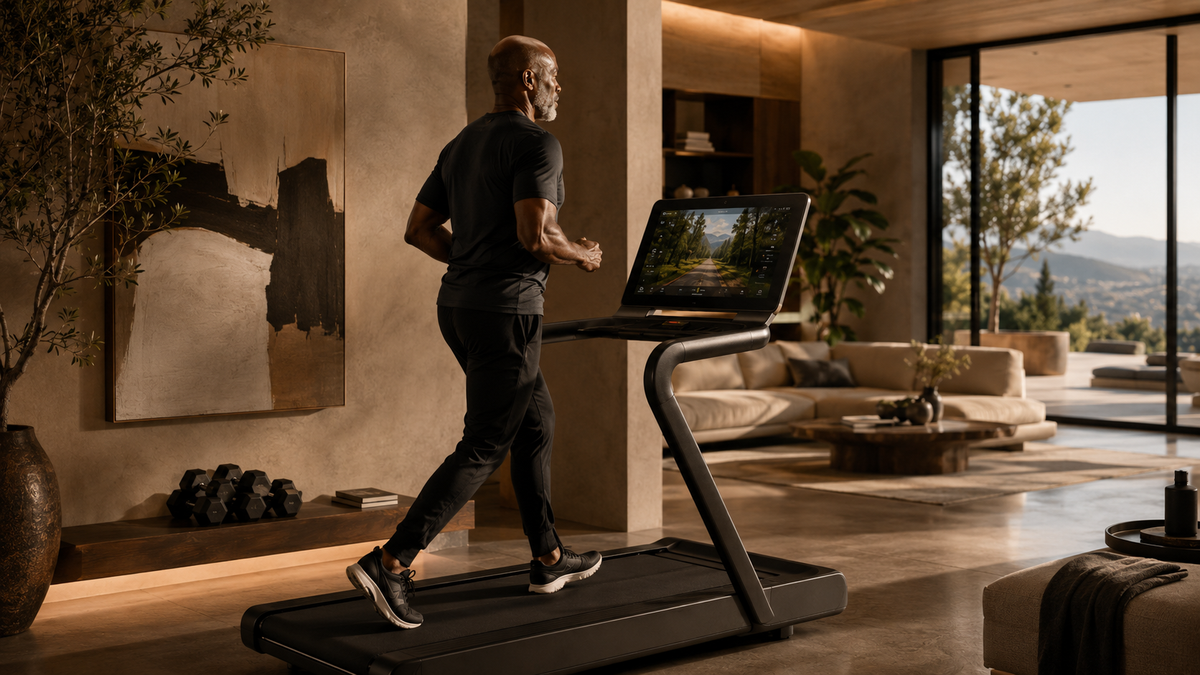
A quality treadmill gives you three things that outdoor walking and unpredictable environments cannot: a controlled surface, precise pace management, and consistency regardless of weather, daylight, or how your joints feel that particular day.
Speed and incline can be adjusted in small, exact increments. That means progression can be gradual and intentional instead of accidental. Handrails are available when needed, without changing your walking mechanics the way gripping an uneven curb or navigating ice might. And because the surface is flat and cushioned rather than concrete, the repetitive impact on your knees and hips is meaningfully reduced compared with pavement.
There is also a psychological piece that matters more than people expect. When cardio does not depend on weather, daylight, or a drive somewhere, it becomes far easier to stay consistent. And consistency, not intensity, is what actually protects joints and builds cardiovascular fitness over time.
A Joint-Friendly Way to Start
Begin with five to ten minutes at a comfortable, conversational pace. This typically equates to around 1.5 - 3.0 mph on the treadmill. Comfortable means you could hold a conversation without feeling out of breath. Add one or two minutes only when your joints feel the same the next day as they did before the session.
If speed feels aggravating, keep the pace steady and consider a small incline instead (1-3% grade), as long as you can maintain upright posture without gripping the rails too hard for support. A gentle incline can increase the cardiovascular demand without adding the impact that comes from moving faster.
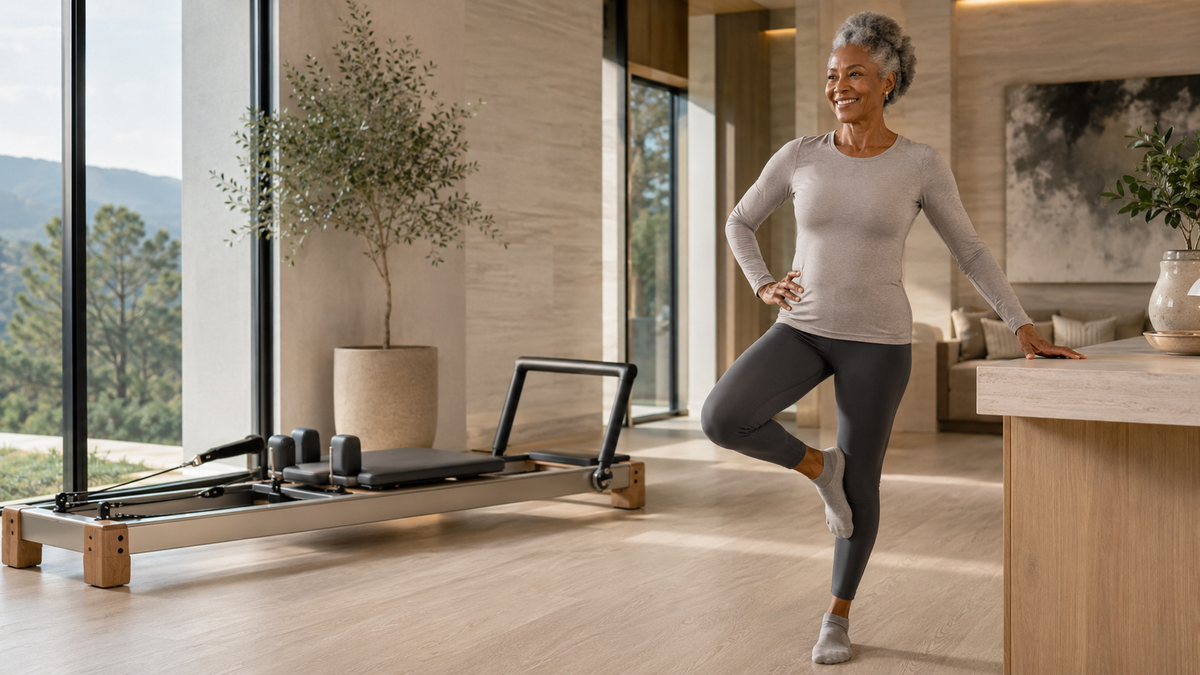
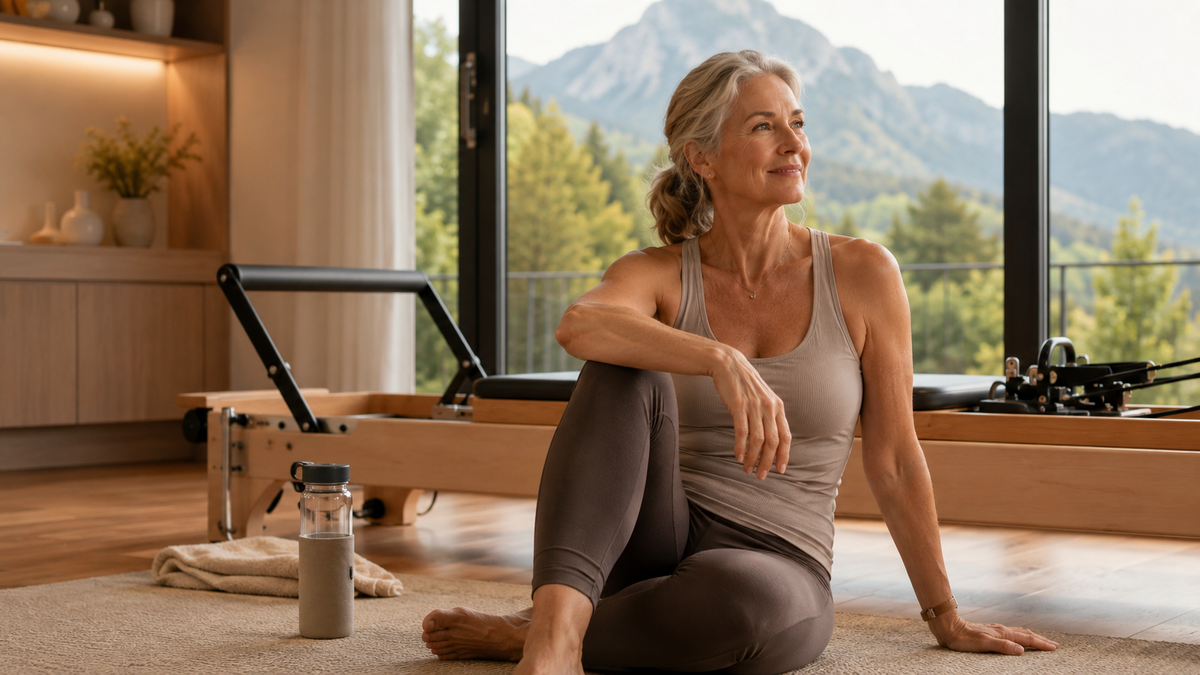
Two or three sessions per week is a reasonable starting frequency for most beginners. On the days in between you can add shorter walks, light mobility work, or a low-impact activity like reformer-based movement can keep you active without asking the same joints to absorb repetitive impact every single day. See some of my recommended pilates reformer beginner basics here.
Judge the Session by the Next 24-48 Hours, Not Right Away
The same principle that applies to strength training applies here. A small, temporary increase in soreness after a new or slightly longer session is common. If your joints feel meaningfully worse the next day rather than back to their usual baseline, the session was likely too much, too soon. That does not mean cardio is not for you. It just means the intensity or duration needs to come down before building back up more gradually. Take a moment to review what you did (how long, what incline and speed etc.) and adjust accordingly.
Stop and seek medical guidance if you experience shortness of breath, chest pain, sharp pain, new swelling, instability, or pain that continues to worsen rather than settle over the following day.
Choosing a Treadmill That Actually Supports Your Joints
Not every treadmill is built with joint health in mind. Look for a stable frame, a cushioned deck that absorbs impact rather than transferring it directly upward, a slow enough starting speed for confident beginners, and a display that is easy to read without straining. Sturdy handrails and a reliable safety stop matter as well, particularly if balance is a concern.
The right treadmill should feel controllable, not intimidating. It should make it easier to start slowly and progress at your own pace, not push you toward a speed or incline you are not ready for.
Cardio Can Still Be Part of Your Life After 50
You do not have to choose between protecting your joints and taking care of your heart, metabolism and mobility. Those goals are not in conflict. What matters is controlling the variables that actually cause joint stress: the surface, the pace, and the rate of progression.
A treadmill removes the guesswork from all three. It gives you a flat, predictable surface, precise control over intensity, and the ability to stay consistent regardless of what is happening outside your door. Combined with a gradual, well-dosed approach, cardio can remain one of the most valuable habits you maintain for the rest of your life.
Explore Elite Active Aging's treadmill collection, selected with joint-friendly design and long-term consistency in mind.
Not sure what's right for you? Contact our friendly experts to help find your best option.