Article: Why Recovery Takes Longer After 50—and How to Build a Better At-Home Recovery Routine

Why Recovery Takes Longer After 50—and How to Build a Better At-Home Recovery Routine
You finish a workout that once would have felt routine, and two days later your legs are still sore. A busy weekend leaves your back tight for most of the week. You need more time between challenging sessions, and you may wonder whether this means you should stop exercising as hard—or stop altogether.
Recovery often changes with age, but slower recovery does not mean your body has lost the ability to adapt. It means the balance between training stress and recovery resources deserves more attention. With a thoughtful plan, you can continue building strength, endurance, and mobility without living in a constant cycle of soreness.
As a physical therapist, I see two common extremes. Some people assume all pain is weakness and push through worsening symptoms. Others interpret any soreness as damage and become increasingly inactive. A better approach distinguishes normal training fatigue from injury, uses progressive exercise over time, and treats recovery as an active part of the program.
Why Recovery May Feel Different After 50
Muscle protein synthesis, hormonal environment, sleep quality, circulation, tendon capacity, and overall activity patterns can change with age. Chronic health conditions and medications may also affect hydration, energy, and tissue healing. Many adults carry accumulated orthopedic history: an old ankle sprain, a prior back episode, knee arthritis, or shoulder stiffness. A workout may expose these limitations even when it does not cause new injury.
Lifestyle matters just as much. Work stress, caregiving, travel, inconsistent meals, alcohol, and poor sleep can reduce recovery capacity. The workout is only one source of stress; your body responds to the total load.
Normal Soreness Versus a Possible Injury
Delayed-onset muscle soreness (DOMS) usually appears twelve to forty-eight hours after unfamiliar or demanding exercise. It tends to feel diffuse, affect the muscles you trained, and improve as you warm up or move around. It should gradually resolve over several days.
Injury symptoms are more likely to be sharp, localized, associated with swelling or bruising, or linked to a specific moment. Pain that worsens with each session, changes your gait, wakes you repeatedly at night, or does not improve deserves evaluation. New numbness, weakness, chest pain, shortness of breath, or loss of bowel or bladder control requires prompt medical attention.
Recovery Begins With Better Exercise Progression
The best recovery tool cannot rescue a poorly designed training plan. Start by controlling volume, intensity, and novelty. Volume is the total amount of work. Intensity is how difficult the work is. Novelty is how unfamiliar it is. Doing all three at once is a reliable way to create excessive soreness.
Change one variable at a time. Add five minutes to a treadmill walk without also increasing speed and incline. Increase reformer spring resistance while keeping repetitions stable. Try a new exercise with one set rather than three. Your body adapts best to a clear but manageable signal.
Use the “two good repetitions” rule: finish most strength sets when you believe you could complete approximately two more repetitions with good form. This creates meaningful work and load on your muscles and joints, without inciting injury.
The Five Foundations of Recovery
1. Sleep
Sleep supports physical repair, immune function, memory, mood, and pain regulation. Adults over 65 generally need about seven to eight hours, although individual needs vary. If you regularly struggle to fall asleep, wake repeatedly, snore loudly, gasp during sleep, or remain exhausted despite enough time in bed, talk with a healthcare professional.
Create a consistent wake time, reduce late caffeine and alcohol, dim evening light, and keep the bedroom cool and quiet. Exercise regularly, but move demanding sessions earlier if late workouts leave you alert.
2. Protein and total energy
A recovery shake cannot compensate for chronically inadequate nutrition. Include a meaningful protein source at each meal and enough total food to support your activity. Aggressive dieting can increase fatigue and make muscle preservation more difficult, particularly during midlife and later adulthood. Aim for approximately 25-30 grams of protein per meal, totaling upwards of 100 grams per day. A good rule of thumb when you're over 50 is 0.45 to 0.55 grams of protein per pound of body weight. (Body weight in pounds x 0.45) = X grams of protein per day.
3. Hydration
Dehydration can worsen fatigue, dizziness, constipation, and heat intolerance. Sauna use increases fluid loss, so hydration becomes especially important. People with heart failure, kidney disease, or fluid restrictions should follow medical guidance rather than generic hydration advice. And remember, common drinks like coffee and tea can often pull more water from the body, causing a higher possibility of dehydration if not compensated for. Do your best to stick to plain H2O.
4. Active recovery
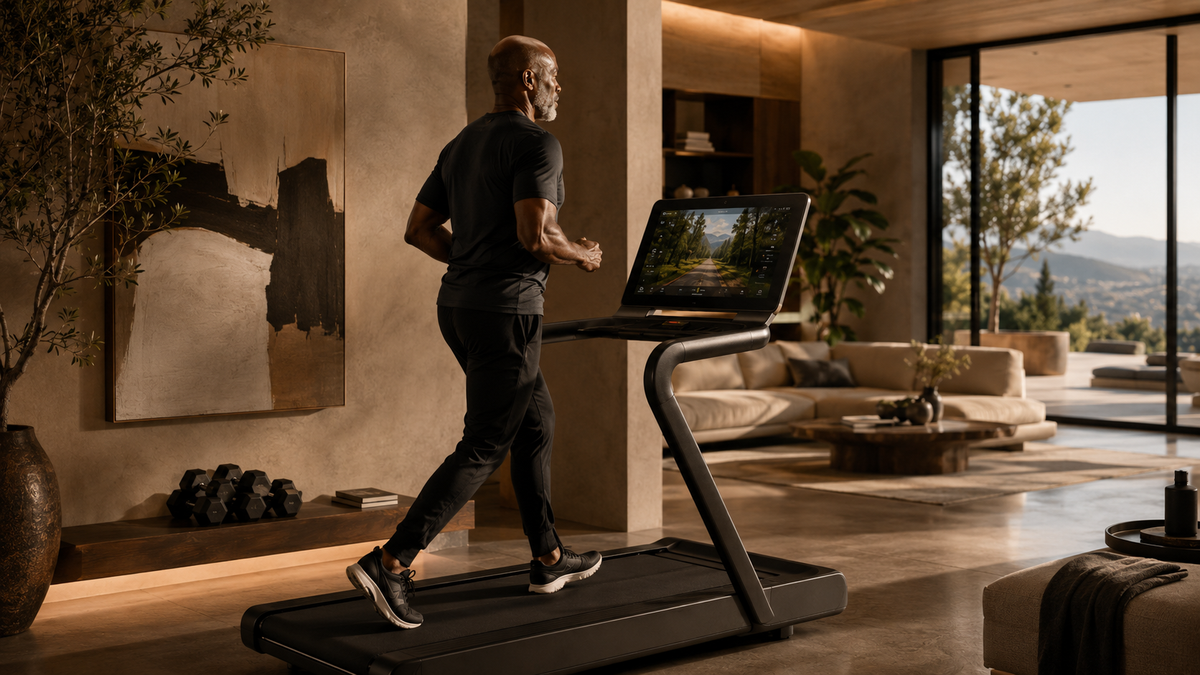
Complete rest is sometimes necessary after illness or acute injury, but gentle movement often reduces stiffness after ordinary training. Try an easy treadmill walk, light reformer mobility, relaxed cycling, or range-of-motion work. Active recovery should leave you feeling better, not more depleted.
5. Stress regulation
A recovery routine should signal safety to the nervous system. Slow breathing, quiet walking, stretching, time outdoors, or a comfortable heat session can help you transition out of a high-alert state. Choose practices you genuinely enjoy; adherence matters more than an elaborate protocol.
Infrared Sauna for Recovery: What It Can and Cannot Do
Infrared saunas heat the body in a lower ambient temperature than many traditional saunas. Users often report relaxation, temporary relief of stiffness, and a pleasant sense of warmth. Heat can increase skin blood flow and make muscles feel more pliable, which may support a recovery ritual.
However, sweating is not the same as “removing toxins,” and a sauna does not flush lactic acid from muscles. The liver, kidneys, lungs, and gastrointestinal system perform detoxification. Sauna should be understood honestly: a comfort and wellness tool with emerging research in several health areas, not a cure-all.
Begin conservatively. Use a lower temperature and shorter session, especially if you are new to heat. Hydrate before and after. Exit immediately if you feel dizzy, nauseated, weak, or develop a headache. Avoid alcohol around sauna use. Ask your clinician first if you have cardiovascular disease, uncontrolled blood pressure, heat-sensitive conditions, are pregnant, or take medications that alter sweating or blood pressure.
Red Light Therapy for Muscle and Joint Recovery
Red and near-infrared light therapy, or photobiomodulation, is being studied for pain, inflammation, tissue repair, and exercise recovery. Results depend on wavelength, power, dose, treatment distance, timing, and the condition being treated. This makes it difficult to generalize findings from one study or device to every consumer panel.
For buyers, transparency matters. Look for clearly stated wavelengths, irradiance at specific distances, recommended session times, warranty, and safety instructions. More power is not automatically better; the biological response depends on dose. Use red light therapy as an adjunct to appropriate exercise and healthcare, not a stand alone cure-all.
Explore some of our favorite red light therapy devices here.
A Practical Weekly Recovery Schedule
After a challenging strength day, complete a short cool-down and eat a balanced meal. The next day, take a twenty-minute easy walk or perform light reformer mobility. Use sauna or red light therapy on one or more recovery days if medically appropriate and enjoyable. Schedule the next demanding strength session when soreness is mild and movement quality has returned.
A sample week might include strength on Monday and Thursday, moderate treadmill work on Tuesday and Saturday, balance or mobility on Wednesday, and a flexible recovery day on Friday. Sunday can be rest or gentle recreational activity. This is only a framework; your medical history and goals should guide the details.
Signs Your Recovery Plan Is Working
You feel ready for the next session rather than dreading it. Soreness is manageable and predictable. Your performance gradually improves. Sleep is stable. You can participate in life outside exercise. Most importantly, small aches do not repeatedly become multiweek setbacks.
Track a few simple measures: morning energy, soreness from zero to ten, sleep quality, and performance in one or two key exercises. If all measures decline for a week, reduce training volume and assess stress, nutrition, illness, and sleep.
Recovery Is Not Laziness
Recovery provides meaningful rest, healing and rejuvenation for your upcoming workout days. The objective is not to eliminate every ache or pain after exercise, it is to recover well enough that you can train consistently for months and years. Often the beginning is the hardest, as your body may have aches and pains when you start something new. But active recovery and healthy recovery tools and strategies will help you build and grow over time.
Build your routine around the essentials, then add premium recovery tools because they make the process more comfortable, enjoyable, and sustainable. Elite Active Aging offers infrared and traditional saunas, red light therapy panels, Pilates reformers, and cardio equipment for creating a complete home wellness environment—one that supports both the work and the recovery. Your wellness equipment should fit your goals, comfort, space, and lifestyle.
Explore our premium home fitness and recovery collections, or call our experts for personalized product guidance.