7 Low-Impact Exercises to Improve Mobility After 60
Maintaining physical vitality beyond the sixth decade demands a recalibrated approach to movement. The body's architecture evolves, requiring gentler modalities that preserve joint integrity while cultivating suppleness and functional range. Low-impact exercises for mobility over 60 represent not merely a fitness category but a strategic methodology for sustaining independence, confidence, and the capacity to engage fully with life's daily choreography.
Mobility transcends mere flexibility—it encompasses the seamless integration of strength, balance, and neurological coordination. When executed with intentionality, these specialized movement patterns fortify the musculoskeletal framework without imposing undue stress on cartilage, tendons, or osseous structures. The exercises outlined below provide a comprehensive blueprint for enhancing functional capacity while honoring the wisdom your body has accumulated through decades of experience.
Why Low-Impact Movement Matters After Sixty
The physiological transformations accompanying aging necessitate thoughtful exercise selection. Sarcopenia—the gradual diminution of muscle mass—accelerates beyond age sixty, while connective tissue loses elasticity and synovial fluid production decreases. Traditional high-impact protocols often create inflammatory cascades that impede recovery rather than facilitate it.
Low-impact modalities circumvent these complications. They stimulate circulation without jarring articulations, challenge proprioceptive systems without risking falls, and build strength through controlled resistance rather than gravitational shock. Research demonstrates that consistent engagement with these movement patterns correlates with reduced fall incidence, improved gait mechanics, and enhanced capacity for activities of daily living.
Movement is medicine, but the dosage must match your current physiological reality. Gentleness does not equate to ineffectiveness—it represents intelligent adaptation.
The psychological benefits parallel the physical gains. Successfully completing a movement sequence cultivates self-efficacy, dispelling misconceptions about age-related limitations. This mental shift often catalyzes broader lifestyle improvements, creating a virtuous cycle of wellbeing.
Seven Essential Exercises for Enhanced Mobility
Seated Spinal Rotation
Vertebral mobility frequently diminishes with age, restricting rotational capacity essential for driving, reaching, and maintaining postural awareness. This exercise addresses thoracic spine suppleness without compromising lumbar stability.
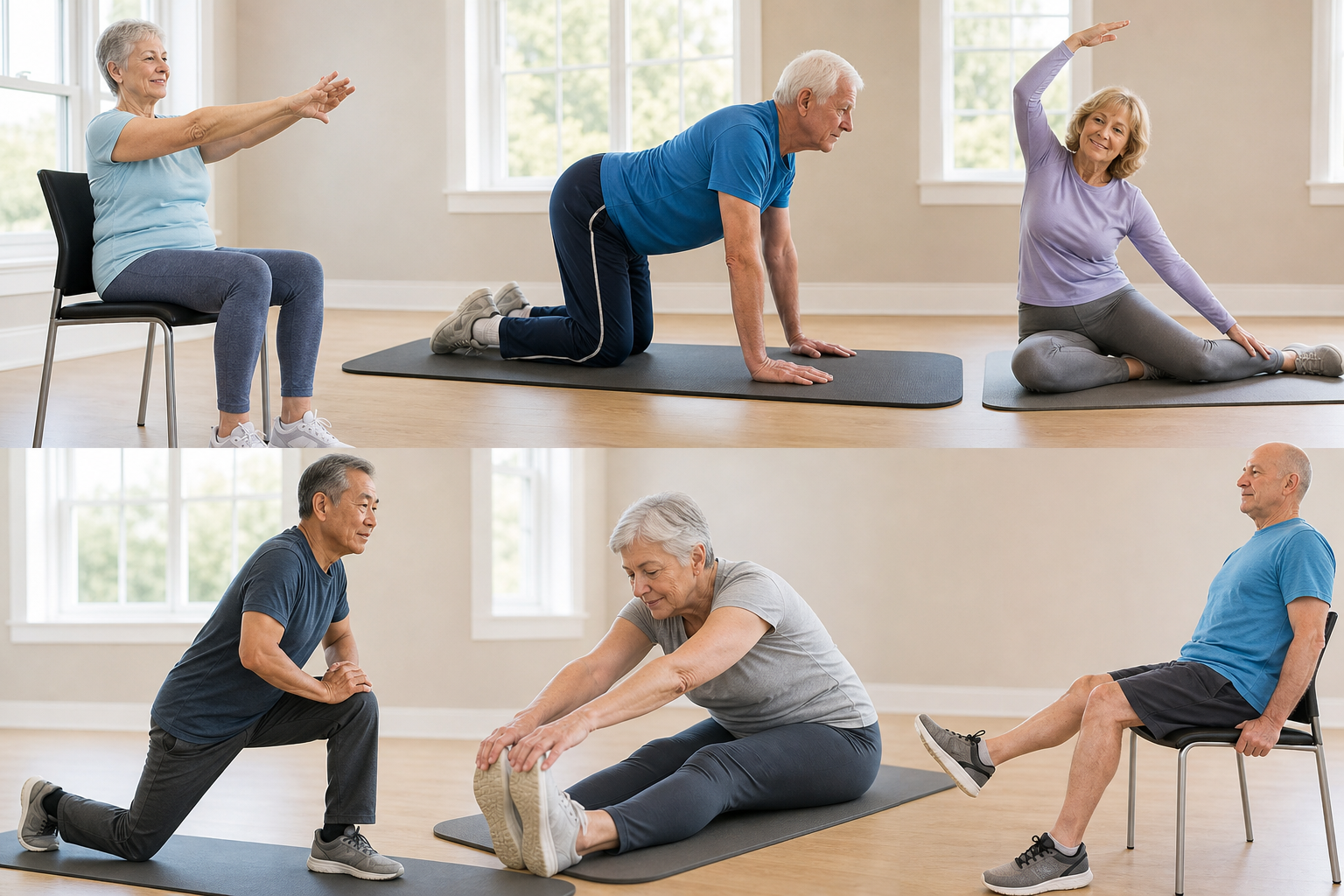
Sit upright on a stable chair with feet planted firmly. Extend your arms forward at shoulder height. Initiate rotation from the ribcage, turning left while keeping your hips square. Hold for three breath cycles. Return to center with controlled precision. Alternate sides for eight repetitions.
The seated variation eliminates balance concerns while allowing focused attention on segmental spinal articulation. As thoracic rotation improves, activities like retrieving objects from rear shelves or checking blind spots become noticeably easier.
Modified Cat-Cow Sequence
Spinal undulation mobilizes the entire vertebral column while gently stimulating intervertebral disc nutrition through compression and decompression cycles. This foundational movement pattern appears in numerous somatic disciplines precisely because it delivers comprehensive benefits with minimal risk.
Position yourself on hands and knees atop a padded surface. Ensure wrists align beneath shoulders and knees beneath hips. Inhale while lifting your gaze and sternum, allowing the belly to descend gently—the "cow" position. Exhale while rounding the spine upward, tucking chin toward chest—the "cat" configuration. Flow between these positions for ten complete cycles, synchronizing breath with movement.
Those with wrist discomfort may perform this exercise using forearms instead of palms, or even seated while visualizing the spinal movements. The essence lies in the articulation itself, not the specific postural configuration.
Wall-Assisted Hip Circles
Hip joint mobility determines stride length, stair-climbing capacity, and ease of transitioning between seated and standing positions. Degenerative changes often limit hip circumduction, but targeted mobilization can preserve or restore range.
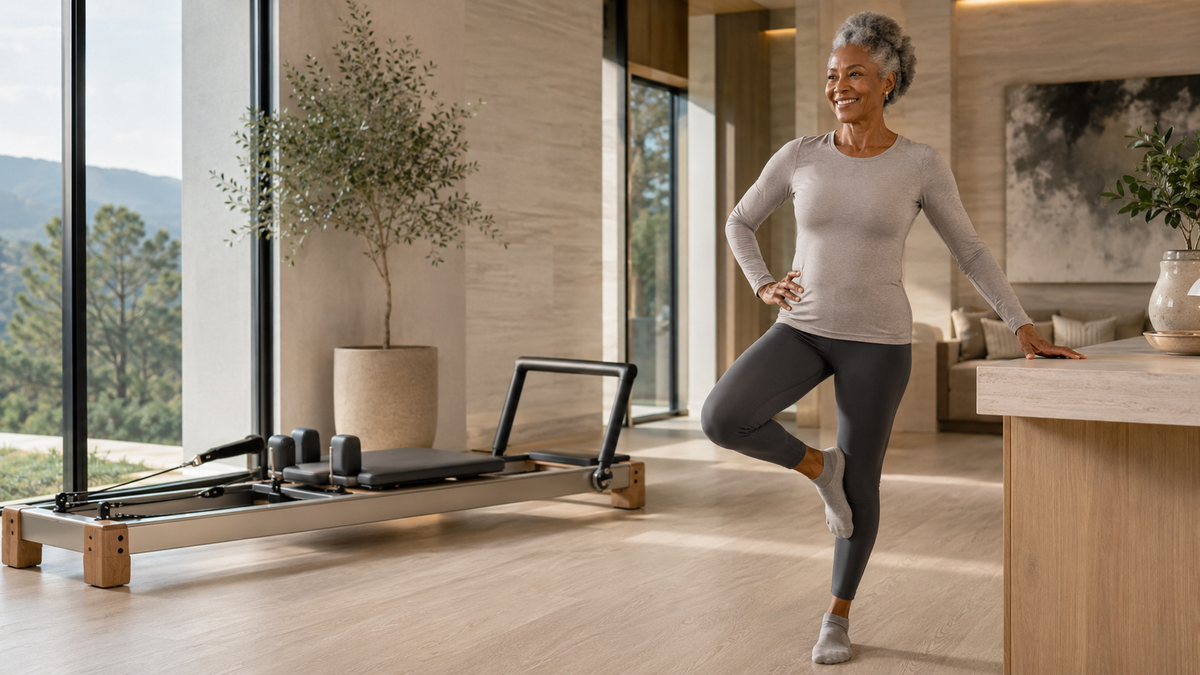
Stand beside a wall for light support. Shift weight onto the leg nearest the wall. Lift the opposite knee to a comfortable height. Trace slow circles with the knee, exploring the hip joint's available range without forcing. Complete six circles in each direction before switching sides.
This exercise simultaneously challenges single-leg balance while mobilizing the hip capsule. The wall provides security, allowing exploration of movement boundaries without fall anxiety. Over time, you may notice improved ease when entering vehicles or ascending stairs.
Ankle Alphabet Practice
Ankle mobility and strength constitute foundational elements of fall prevention. The intricate network of ligaments and tendons surrounding the talocrural joint requires regular mobilization to maintain proprioceptive acuity.
Sit comfortably with one leg extended or elevated. Using your great toe as a pointer, trace the alphabet in the air from A through Z. The movement originates from the ankle joint, not the entire leg. Complete the full alphabet with each foot.
This deceptively simple exercise activates the dorsiflexors, plantarflexors, invertors, and evertors through comprehensive range-of-motion patterns. Enhanced ankle mobility translates to more confident navigation of uneven terrain and improved balance reactions.
Standing Forward Fold with Support
Posterior chain flexibility—encompassing hamstrings, calves, and spinal erectors—directly impacts functional movements like bending to retrieve dropped items or donning shoes. This supported variation provides hamstring elongation without vertebral compression risk.
Position yourself an arm's length from a counter or sturdy table. Hinge forward at the hips, placing hands on the surface. Walk backward until arms extend fully, creating a right angle at the hips. Keep knees slightly softened. Breathe deeply for five cycles, allowing gravity to gently decompress the spine.
The supported nature eliminates blood pressure concerns associated with unsupported forward folds while delivering therapeutic traction to the lumbar spine. This exercise serves particularly well as a counterpose to prolonged sitting.
Supine Knee Rocking
Lower back tension and hip tightness often coexist, creating discomfort that limits daily activities. This gentle oscillation addresses both regions simultaneously while promoting parasympathetic nervous system activation.
Lie supine on a comfortable surface. Draw both knees toward your chest, grasping shins or thighs. Rock gently side to side, massaging the sacral area. Continue for sixty seconds, maintaining smooth, controlled movements.
The rocking motion provides subtle mobilization to the lumbar facet joints while releasing tension in the hip flexors and gluteal muscles. Many practitioners report improved sleep quality when performing this movement before bedtime.
Shoulder Circumduction with Arm Elevation
Glenohumeral joint mobility determines overhead reach capacity, crucial for accessing storage, personal grooming, and maintaining household independence. Rotator cuff health depends upon regular movement through complete ranges.
Stand or sit with optimal posture. Begin with arms hanging naturally. Slowly raise both arms forward and overhead, tracing the largest comfortable circle. Continue the circular path backward and down, completing a full revolution. Perform six circles in each direction.
This exercise systematically addresses all planes of shoulder motion. Those with limited range should work within comfortable boundaries—restrictions often diminish gradually with consistent practice. Avoid forcing motion if sharp pain occurs.
Creating Your Mobility Practice Routine
Consistency supersedes intensity when cultivating mobility improvements. A brief daily practice yields superior results compared to sporadic extended sessions. Consider these implementation strategies:
- Dedicate fifteen to twenty minutes each morning to mobility work, when joints may feel stiffest
- Perform exercises in the sequence presented, which progresses logically from spine to extremities
- Focus on breath synchronization—inhalation during expansive movements, exhalation during flexion
- Maintain a movement journal documenting sensations, improvements, and any discomfort
- Repeat the sequence in evening hours if desired, potentially with longer holds for deeper release
Quality trumps quantity. Three mindfully executed repetitions provide more benefit than ten performed with distraction or compensation patterns. Cultivate present-moment awareness throughout your practice.
Enhancing Your Mobility Foundation
While bodyweight exercises form the cornerstone of mobility work, complementary modalities amplify results. Strategic integration of recovery tools accelerates progress while addressing the systemic inflammation that often accompanies aging.
Infrared sauna sessions provide deep tissue warming that increases collagen extensibility, allowing greater range exploration during subsequent movement practice. The far-infrared wavelengths penetrate several inches beneath the skin surface, promoting circulation to joints and connective tissue. Twenty-minute sessions three times weekly create measurable improvements in tissue pliability.
Red light therapy panels deliver specific wavelengths that stimulate cellular energy production and modulate inflammatory responses. Positioning affected joints—knees, shoulders, hips—in front of these panels for ten to fifteen minutes post-exercise accelerates recovery and reduces delayed-onset muscle soreness. The photobiomodulation effect supports tissue repair at the cellular level.
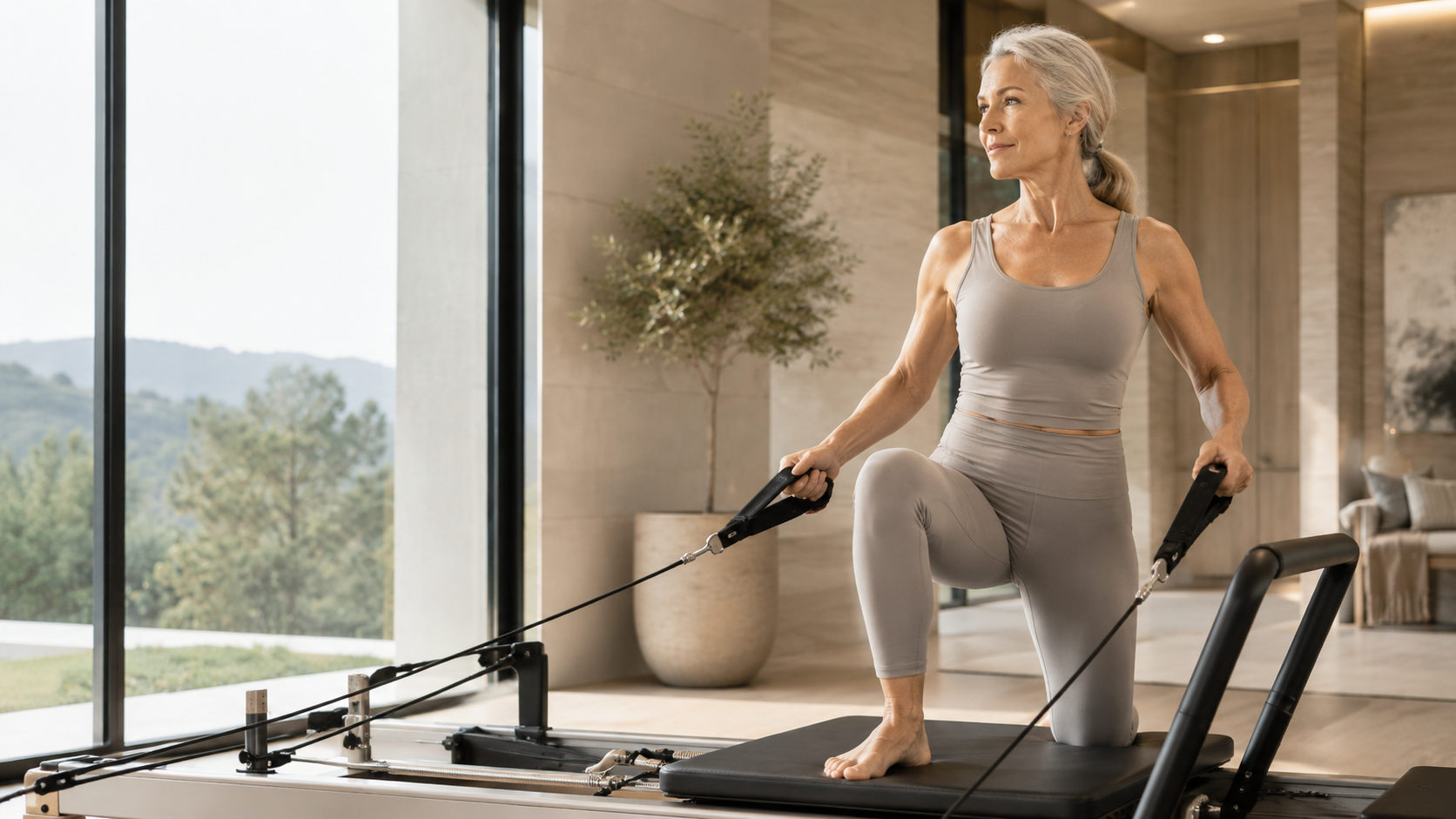
Pilates reformer work represents the gold standard for controlled, low-impact strength development that directly translates to improved mobility. The spring resistance system provides accommodating loads that challenge muscles through complete ranges without joint compression. Reformer exercises emphasize the core stabilization essential for safe movement exploration while building the eccentric strength necessary for fall prevention.
| Recovery Modality | Primary Benefit | Optimal Frequency |
|---|---|---|
| Infrared Sauna | Increased tissue pliability and circulation | 3-4 sessions weekly, 20 minutes |
| Red Light Therapy | Reduced inflammation and accelerated recovery | Daily, 10-15 minutes per area |
| Pilates Reformer | Functional strength through full range of motion | 2-3 sessions weekly |
Addressing Common Mobility Concerns
What If I Experience Discomfort During These Exercises?
Distinguish between productive sensation and problematic pain. Mild stretching sensations, muscle activation feelings, and gentle pulling represent normal responses. Sharp, shooting, or burning pain signals the need to reduce range or discontinue that particular movement. Always honor your body's communications.
Joint crepitus—crackling or popping sounds—without accompanying pain typically indicates benign gas bubble release and poses no concern. However, grinding sensations accompanied by discomfort warrant consultation with a healthcare provider before progressing.
How Quickly Should I Expect Improvements?
Neurological adaptations occur rapidly—within one to two weeks, you may notice improved movement confidence and coordination. Structural changes to connective tissue unfold more gradually, typically becoming apparent after four to six weeks of consistent practice. Patience coupled with persistence yields lasting transformations.
Some individuals experience dramatic improvements within days, particularly if restrictions stemmed primarily from disuse rather than structural changes. Others require months of dedicated practice. Avoid comparisons; honor your unique physiological timeline.
Can These Exercises Help With Specific Conditions?
These movement patterns support general mobility enhancement rather than treating specific pathologies. Those managing osteoarthritis often report reduced stiffness and improved function. Individuals with previous injuries frequently experience restored range. However, always consult appropriate healthcare professionals regarding exercise modifications for diagnosed conditions.
The low-impact nature makes these exercises broadly appropriate, yet individual circumstances vary. When in doubt, seek guidance from physical therapists or movement specialists familiar with your medical history.
Building Sustainable Movement Habits
Long-term adherence depends upon removing barriers and creating supportive structures. Designate a specific location in your home as your movement space—consistency of environment reinforces habit formation. Keep any needed props readily accessible rather than stored away.
Consider partnering with a friend or family member for mutual accountability. Virtual check-ins work equally well as in-person sessions. The social element adds enjoyment while increasing commitment consistency.
Track progress through functional benchmarks rather than arbitrary metrics. Can you now reach overhead cabinets without strain? Do you rise from chairs more easily? Does gardening feel less taxing? These real-world improvements matter far more than abstract measurements.
Periodically reassess your routine, adding complexity as current exercises become comfortable. Progressive challenge maintains engagement while continuing to stimulate adaptation. Perhaps hold positions longer, increase repetitions, or explore greater ranges as capacity expands.
Investing in Your Mobility Future
The compound interest of consistent mobility work accrues over months and years, creating a trajectory of maintained function rather than progressive decline. Each session represents a deposit into your future capability account—an investment that pays dividends in sustained independence, confidence, and quality of life.
Creating an optimal environment for this practice demonstrates commitment to longevity. Premium equipment designed specifically for active aging populations—from therapeutic infrared saunas that prepare tissues for movement to red light therapy panels that accelerate recovery—transforms casual exercise into a comprehensive wellness protocol.
High-quality Pilates reformers bring professional-grade resistance training into your home, eliminating barriers of travel and scheduling. These durable tools appreciate rather than depreciate in value as they facilitate your ongoing physical development. The guidance and exceptional quality inherent in carefully curated wellness equipment amplifies your efforts, ensuring every movement session yields maximum benefit.
Mobility after sixty isn't about recapturing youth—it's about honoring the body you currently inhabit while systematically expanding its functional capacity. These seven low-impact exercises provide the foundation. Complementary recovery modalities accelerate progress. Consistent practice, supported by quality equipment and clear guidance, ensures you continue moving with confidence, ease, and vitality through all the decades ahead.