How to Exercise With Joint Pain After 50: A Physical Therapist’s Guide to Moving Without Making It Worse
Joint pain can create a frustrating contradiction: you know movement is important, but movement is also the very thing you are afraid will hurt. Many adults over 50 begin quietly shrinking their lives around a painful knee, hip, shoulder, or back. They stop taking longer walks, avoid stairs, decline outings, and gradually lose the strength that once made everyday activities feel easy.
As a physical therapist, I want to reassure you that pain does not automatically mean you are causing damage. It is also true that “just push through it” is rarely good advice. The goal is not to ignore your body. The goal is to understand what your symptoms are telling you, choose joint-friendly forms of exercise, and build capacity at a pace your body can tolerate.
Regular physical activity can improve arthritis pain and physical function, and the National Institute on Aging recommends a combination of aerobic activity, muscle strengthening, and balance work for older adults. The most effective plan is not necessarily the hardest one. It is the plan you can perform consistently without creating a flare that sidelines you for days.
First, Know the Difference Between Discomfort and a Warning Sign
A mild pulling sensation, muscular fatigue, or temporary stiffness during a new exercise can be normal. Pain that is sharp, catching, electrical, rapidly increasing, or associated with swelling deserves more caution. Stop and seek medical guidance when pain follows a fall or injury, you cannot bear weight, a joint becomes hot and markedly swollen, or you develop new numbness, weakness, chest pain, dizziness, or shortness of breath.
For chronic joint pain, use a simple traffic-light system. Green means symptoms are mild and your movement stays controlled. Yellow means pain is increasing, your form is changing, or you are bracing and holding your breath; reduce the resistance, range, speed, or duration. Red means sharp pain, instability, sudden swelling, or symptoms that continue escalating after you stop. That is your signal to discontinue the activity and have the problem evaluated.
Why Complete Rest Usually Backfires
When a joint hurts, resting it for a short period after an acute flare may be appropriate. Long-term avoidance, however, can weaken the muscles that protect the joint. A painful knee supported by stronger hip, thigh, and calf muscles often functions better than the same knee surrounded by deconditioned tissue. The same principle applies to the spine and shoulders: strength and controlled mobility help distribute forces more effectively.
Inactivity can also reduce cardiovascular endurance and balance. Then ordinary tasks—standing from a low chair, carrying groceries, walking across a parking lot—require a much larger percentage of your available energy. The task feels harder, so you do less, and the cycle continues. Breaking that cycle begins with an amount of movement that feels almost too manageable.
The Best Low-Impact Exercise Options After 50
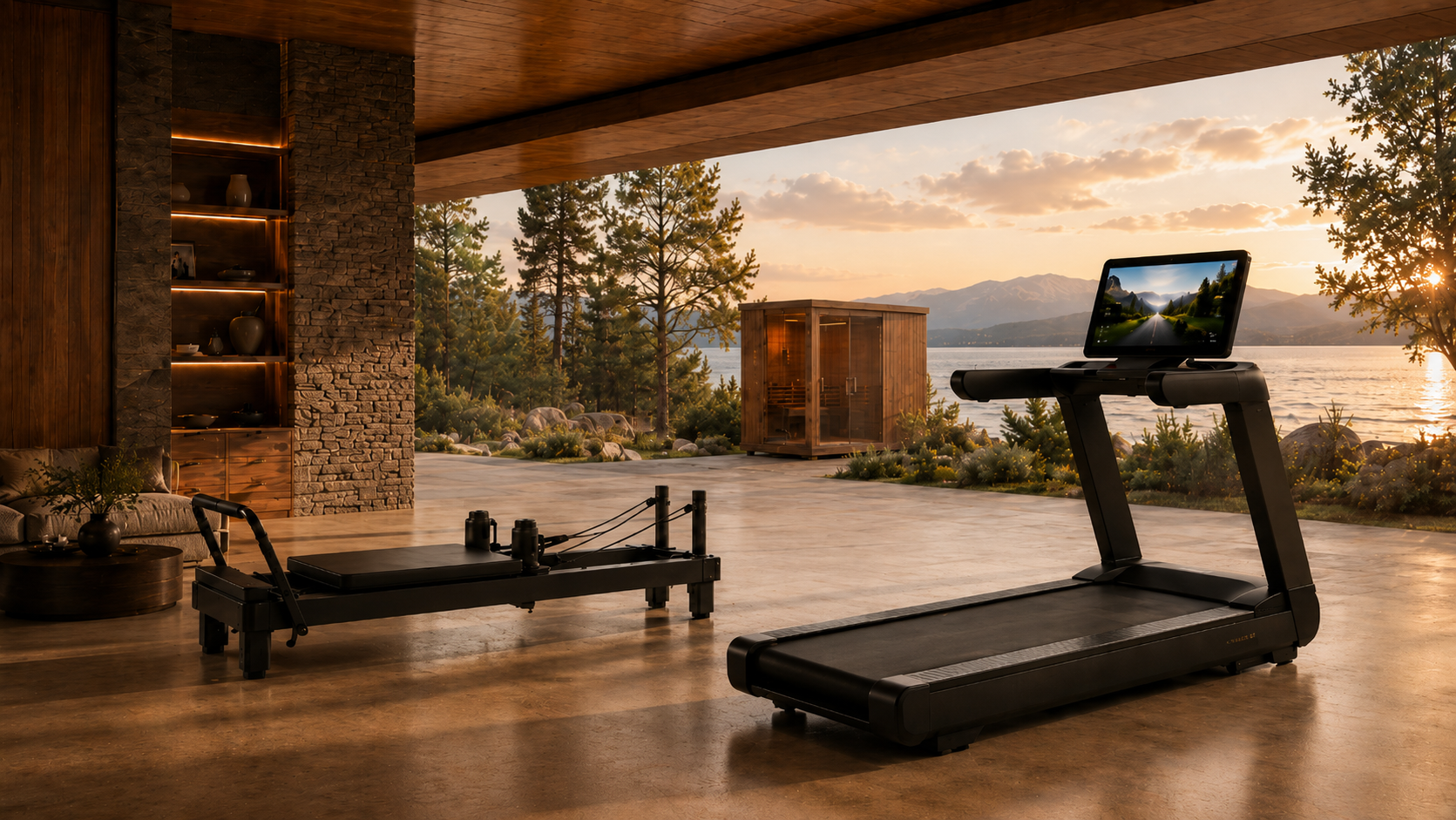
Walking remains one of the most accessible choices, but the right surface, speed, and duration matter. A quality treadmill allows you to control pace precisely, avoid uneven sidewalks, use handrails when needed, and exercise regardless of weather. Begin with five to ten minutes at a comfortable speed. Add one or two minutes only when your joints return to baseline by the next day.
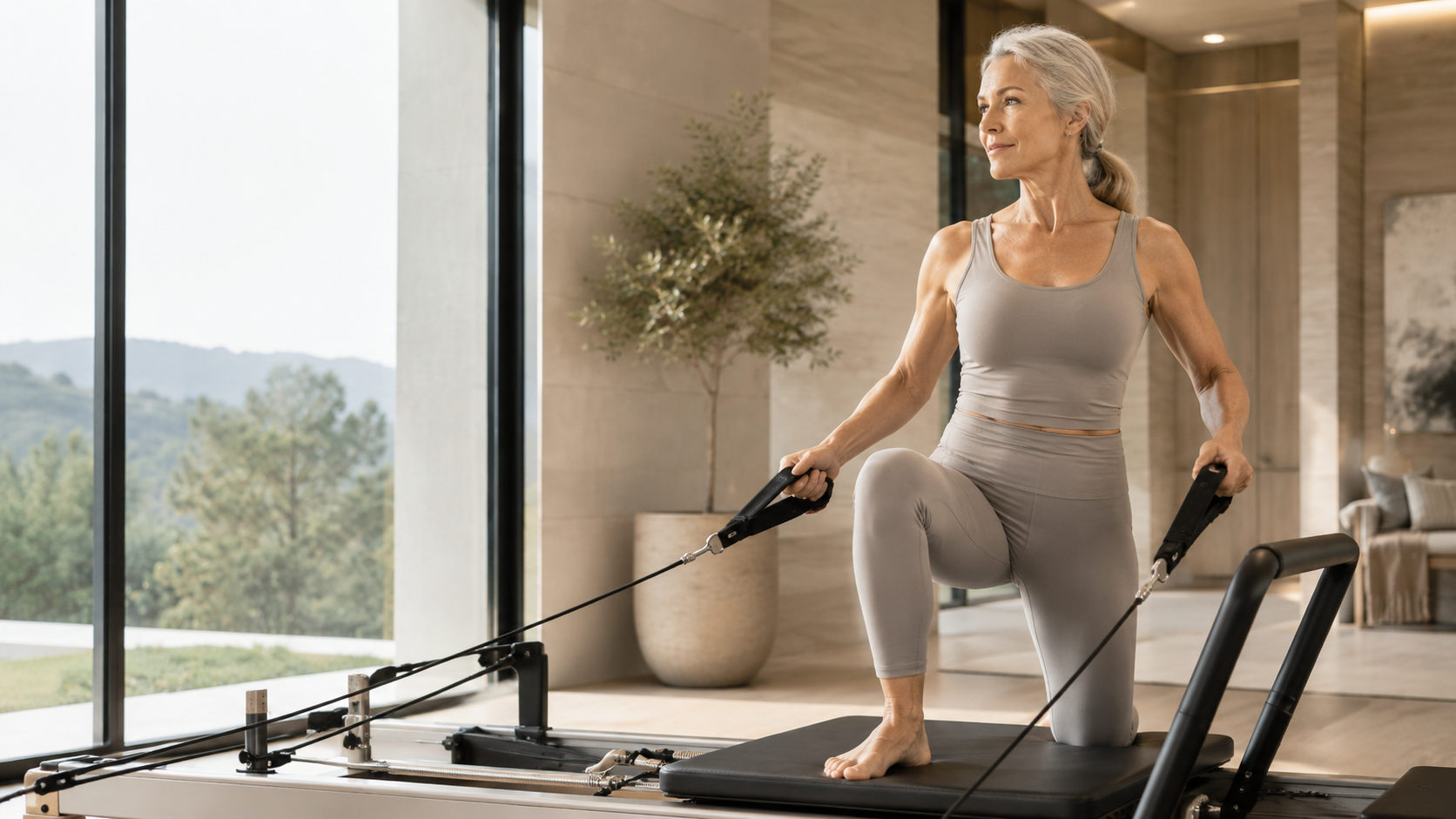
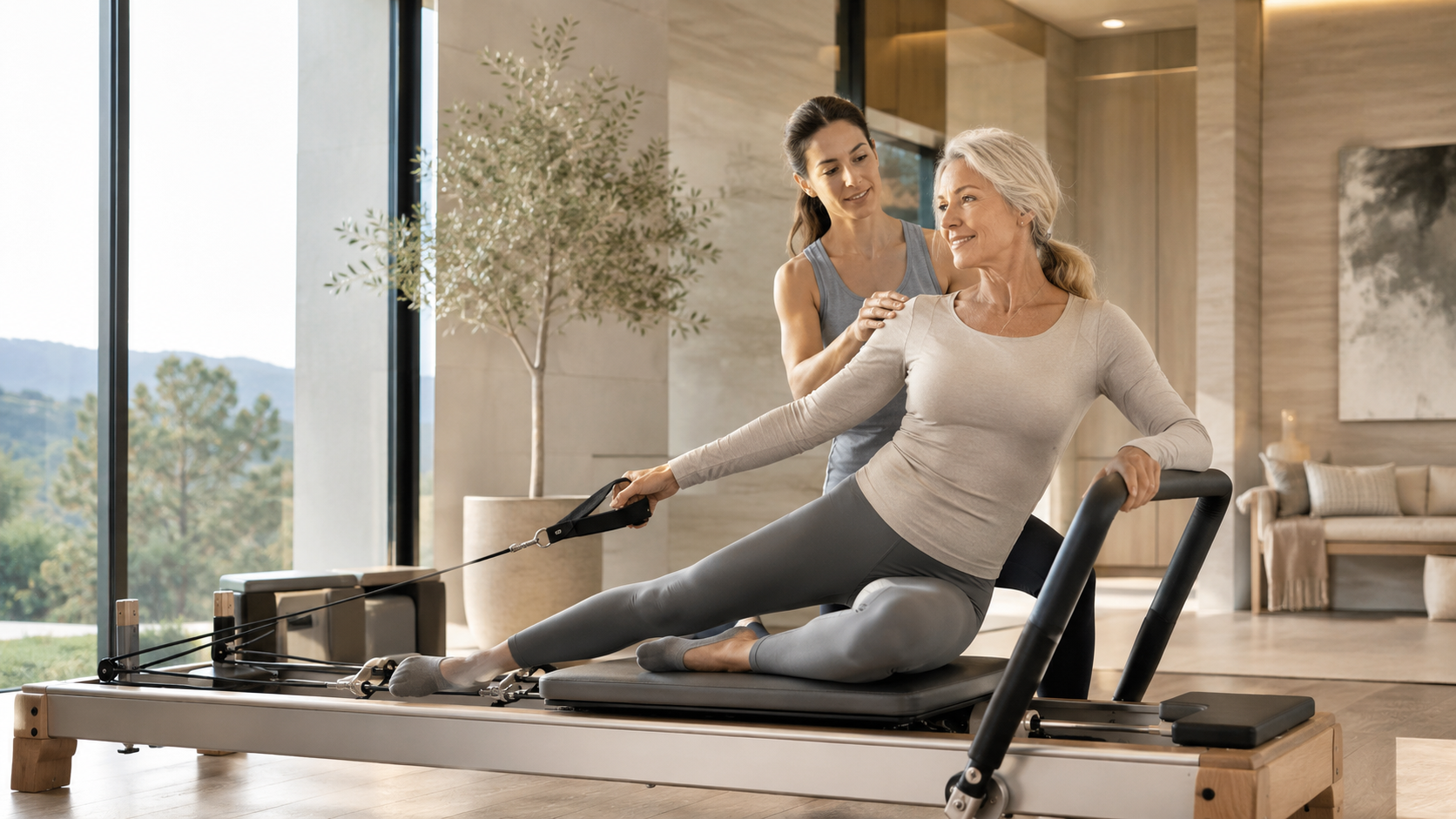
A Pilates reformer is another valuable option because the springs can assist or resist movement. Many exercises are performed lying down or seated, reducing the demand of full body weight while still training the legs, hips, trunk, and upper body. The carriage guides the motion, which can make movement feel smoother and more predictable. Instruction is important, especially when you have osteoporosis, a recent joint replacement, balance problems, or significant back pain.
Cycling, pool exercise, and carefully selected resistance training are also excellent joint-friendly choices. The specific equipment matters less than the principles: controlled movement, appropriate resistance, gradual progression, and good alignment.
A Physical Therapist’s Four-Part Framework
1. Warm the body before asking for more range
Stiff joints often move more comfortably after five to ten minutes of gentle activity. Start with easy walking, heel raises, shoulder circles, or repeated sit-to-stands from a higher chair. Heat may also help relax tight muscles and reduce morning stiffness. An infrared or traditional sauna can be part of a relaxing pre-movement routine for some people, but it should not replace a warm-up and is not appropriate for everyone. Ask your clinician before sauna use if you have unstable heart disease, poorly controlled blood pressure, fainting episodes, heat intolerance, or medications that affect hydration.
2. Strengthen the muscles around the painful area
For knee discomfort, prioritize the gluteal muscles, quadriceps, hamstrings, and calves. For hip pain, train the buttocks, lateral hip muscles, and trunk. For back pain, focus on total-body strength rather than trying to isolate one “core” muscle. Start with one set of eight to twelve controlled repetitions. The last few repetitions should feel challenging, but your technique should remain steady.
3. Use a range of motion you can control
You do not earn extra credit for forcing a painful joint to its deepest position. A partial squat performed with excellent control can be more useful than a deep squat that causes the knees to collapse inward or the back to round. On a reformer, spring resistance and foot position can be adjusted so the exercise meets you where you are. Over time, strength may allow the comfortable range to expand naturally.
4. Judge the session by the next 24 hours
A small temporary increase in symptoms can occur when starting a new program. A practical guideline is that discomfort should settle toward your usual baseline within about 24 hours. If you are significantly worse the next day, the session dosage was too high. That does not mean the exercise was “bad.” It means you need less resistance, fewer repetitions, a smaller range, or more recovery time.
Where Red Light Therapy and Sauna Fit
Red light and near-infrared therapy, also called photobiomodulation, are increasingly used as adjuncts for joint and muscle comfort. Research on knee osteoarthritis suggests potential pain benefits, but the certainty of evidence is still limited and dosing varies across devices and studies. Think of red light therapy as a possible complement to exercise, sleep, nutrition, and medical care—not a replacement for them.
Heat therapy has a longer history of use for chronic stiffness and muscle tension. Warmth may make movement feel easier, while cold is often more comfortable for a newly irritated or swollen joint. Your response matters. Use heat conservatively, hydrate, and avoid very hot sessions when you are ill, dehydrated, or experiencing an acute inflammatory flare.
A Simple 20-Minute Joint-Friendly Routine
Begin with five minutes of comfortable treadmill walking or marching near a stable counter. Follow with two sets of eight sit-to-stands from a chair, using your hands as needed. Perform eight to twelve supported heel raises, then eight gentle standing hip abductions on each side. Add a row using a resistance band or reformer straps, keeping the shoulders relaxed. Finish with two to three minutes of easy walking and slow breathing.
Perform this routine two or three nonconsecutive days per week. On the days between, use shorter walks, mobility exercises, or light reformer work. Consistency is more valuable than a heroic workout followed by four days of recovery.
Choosing Home Equipment That You Will Actually Use
The best equipment matches your body, your home, and your habits. A treadmill should feel stable, offer an easy-to-read display, and provide a speed range slow enough for confident starts. A reformer should have a sturdy frame, smooth carriage, adjustable resistance, and enough room for safe transfers. A red light panel should provide clear wavelength, irradiance, distance, and session guidance. A sauna should fit your space, electrical requirements, ventilation needs, and health considerations.
Before purchasing, ask yourself three questions: Can I get on and off safely? Can I adjust the challenge as my ability changes? Will I enjoy using it often enough to matter? Premium equipment is most valuable when it removes barriers and supports a sustainable routine.
The Encouraging Truth About Joint Pain
You do not need a pain-free body before you begin caring for it. Many people become stronger, more mobile, and more confident while still managing arthritis or chronic musculoskeletal pain. Progress may look like walking ten minutes without stopping, getting up from the floor more easily, sleeping with less stiffness, or returning to an activity you had gradually abandoned.
Start below your maximum. Build slowly. Let your symptoms guide dosage without allowing fear to make every decision. When you combine appropriate movement with thoughtful recovery, your body often becomes more capable than you expected.
Explore Elite Active Aging’s collection of joint-friendly home fitness and recovery equipment, or contact our team for help comparing options for your goals, space, and comfort level.